
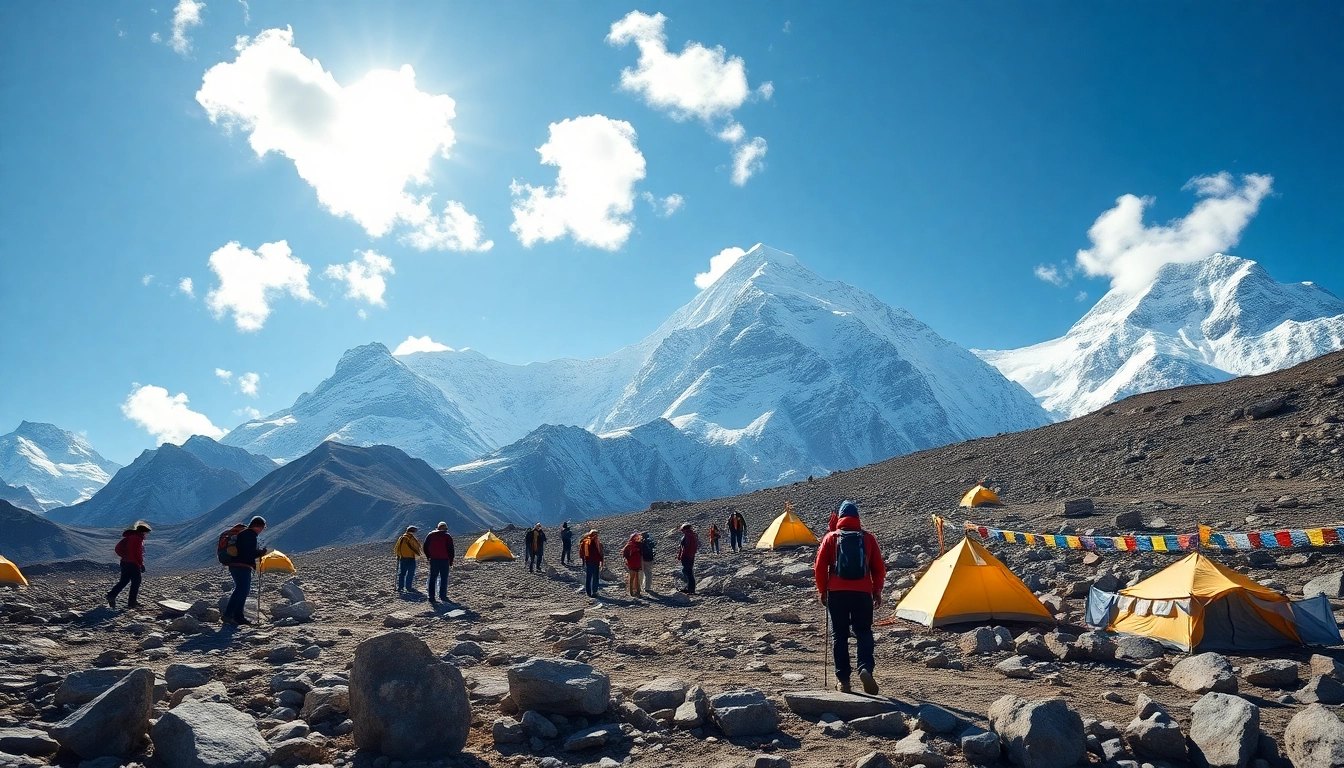
Overview of the Everest Base Camp Trek
The Everest Base Camp Trek (EBC Trek) is a once-in-a-lifetime adventure that takes trekkers through the breathtaking landscapes of the Khumbu region of Nepal. Nestled in the heart of the Himalayas, this trek culminates at the foot of the world’s highest peak, Mount Everest, offering experiences that blend natural beauty and cultural richness. Over 14 days, participants trek through vibrant Sherpa villages, lush forests, and the magnificent high-altitude terrain of the Himalayas, making it a popular choice among adventure enthusiasts and nature lovers alike. If you’re planning this remarkable journey, resources like Everest base camp can provide comprehensive insights into what to expect during the trek.
What is the Everest Base Camp Trek?
The Everest Base Camp Trek is one of the most iconic trekking routes in the world, designed to take adventurers to the base of Mount Everest at an elevation of 5,364 meters (17,598 feet). This trek is not just about reaching the destination but also about the journey itself. It allows participants to immerse themselves in the stunning Himalayan landscapes, experience authentic Sherpa culture, and encounter a range of unique flora and fauna. Typically, the trek spans over 14 days, providing ample time for acclimatization and exploration of key landmarks along the route.
Key Highlights of EBC Trek
- Panoramic views of the world’s highest peaks, including Mount Everest, Lhotse, and Nuptse.
- Experience local Sherpa culture and hospitality in villages such as Namche Bazaar, Tengboche, and Dingboche.
- Visit the ancient Tengboche Monastery, one of the most famous in the region.
- Stand on Kala Patthar (5,555 meters) for the best sunrise views of Everest.
- Trek through the colorful rhododendron forests and across suspension bridges.
Why Choose Ace the Himalaya?
Ace the Himalaya is a trusted trekking company with extensive experience in organizing successful treks to Everest Base Camp. Our dedication to safety, sustainable practices, and impeccable customer service sets us apart. Clients benefit from knowledgeable guides, proper acclimatization schedules, and a focus on enhancing the trekking experience with cultural insights and local interactions.
Planning Your Trek to Everest Base Camp
Best Time to Visit Everest Base Camp
The ideal time for the Everest Base Camp trek is during the spring (March to May) and autumn (September to November). During these seasons, the weather is relatively stable, allowing for optimal trekking conditions, including clear skies and moderate temperatures. In spring, trekkers can witness the blooming of rhododendrons, while autumn offers crystal-clear views of the majestic mountains.
Essential Packing List for EBC Trek
Proper packing is crucial for a successful EBC trek. A recommended packing list includes:
- Warm layers (thermal underwear, fleece jackets, down jackets)
- Sturdy trekking boots with ankle support
- Waterproof and windproof jacket
- Sleeping bag rated for -15°C (5°F)
- First aid kit and personal medications
- Water purification tablets or a purification system
- Snacks (energy bars, nuts, dried fruit)
Understanding Trek Permits and Costs
Trekking to Everest Base Camp requires specific permits, including the Trekking Information Management System (TIMS) permit and the Sagarmatha National Park permit. The costs for these permits can vary, so it’s essential to plan accordingly and ensure they are included in your trekking package. Generally, the total cost of the EBC trek can range from $1,650 to $3,000, depending on the services included and the trekking company chosen.
Training and Preparedness for the Trek
Physical Fitness Requirements for EBC
While the Everest Base Camp trek is accessible to individuals with moderate physical fitness, preparation is key. Trekkers should engage in cardiovascular workouts, strength training, and hiking to build endurance. A basic fitness level should include the ability to walk on uneven terrain for several hours each day, carrying a reasonably loaded daypack.
Acclimatization Tips for High Altitudes
Acclimatization is critical to avoid altitude sickness. The EBC trek includes designated acclimatization days, especially in Namche Bazaar and Dingboche, where trekkers can engage in short hikes at higher altitudes while returning to lower elevation for sleeping. Staying properly hydrated and eating well are also essential strategies to mitigate the risk of altitude-related illnesses.
Tips for First-Time Trekkers
First-time trekkers should remain patient and enjoy the journey. It’s vital to pace yourself, listen to your body, and prioritize hydration. Joining a guided trek can enhance the experience, as knowledgeable guides can provide valuable insights and support throughout the trek, ensuring safety and enjoyment.
Accommodation and Meals During Your Trek
Types of Lodging on the EBC Trek
Accommodation during the Everest Base Camp trek primarily consists of teahouses and guesthouses. While the amenities may be basic compared to urban standards, many teahouses offer cozy settings with shared dining areas and clean dormitory-style rooms. Some locations, like Namche Bazaar, also provide rooms with attached bathrooms.
What Meals to Expect in the Mountains
Meals during the trek are typically hearty and nutritious, featuring local dishes such as dal bhat (rice and lentils), soups, noodles, and various vegetables. Most teahouses offer a menu that caters to both vegetarian and non-vegetarian diets, ensuring trekkers can find something suitable for their preferences.
Hydration and Water Safety Tips
Staying hydrated is essential during the trek. While natural spring water is available, it’s advised to use purification tablets or buy boiled water from teahouses to ensure safety. Carrying a reusable water bottle is beneficial for both hydration and reducing environmental waste.
Health and Safety on the EBC Trek
Altitude Sickness: Prevention and Treatment
Altitude sickness can affect any trekker, regardless of fitness level. It’s crucial to recognize early symptoms, which can include headaches, nausea, and fatigue. To prevent altitude sickness, acclimatization days should be prioritized, and if symptoms occur, immediate descent to a lower altitude is advised. Guides will monitor trekkers’ conditions closely using oximeters and provide necessary support.
Guide and Support Services Provided
Ace the Himalaya provides experienced guides trained in high-altitude trekking and first aid, ensuring trekkers’ safety and well-being throughout the journey. The team is equipped with emergency supplies, including oxygen tanks and portable altitude chambers, to respond effectively to altitude sickness or other health concerns.
Emergency Procedures and Communication
Communication in the Himalayas can be challenging, but many teahouses provide Wi-Fi for an additional cost. Additionally, guides carry local SIM cards to ensure connectivity. In emergencies, satellite communication devices are utilized to relay information to the base office, facilitating swift assistance if needed.