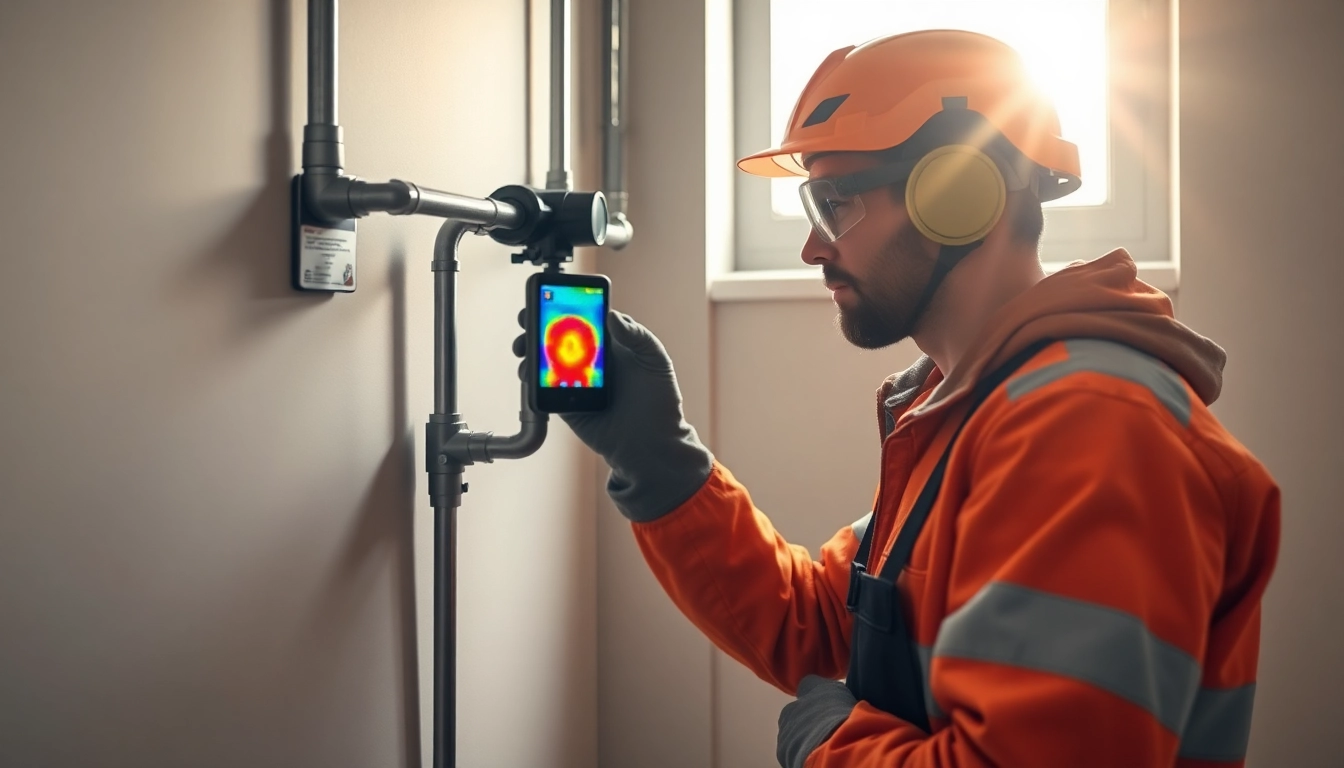

Understanding Why Your Shower Not Working
Encountering a shower not working can disrupt your daily routine, causing frustration. However, understanding the underlying issues can help you troubleshoot more effectively. From water supply issues to internal plumbing complications, a variety of factors can contribute to your shower’s malfunction. This guide will help you identify the common causes and offers solutions for both DIY enthusiasts and those considering professional intervention.
Common Causes of Shower Not Working
There are several reasons why your shower might not be functioning as expected. Here are the most common issues:
- Interrupted Water Supply: If your shower is receiving no water, there could be a problem with your home’s plumbing system, such as a shut-off valve that is closed or a broken main water line.
- Clogged Showerhead: Over time, minerals and debris can accumulate in your showerhead, affecting water flow.
- Pressure Issues: Low water pressure can be due to partially closed pipes, a malfunctioning pump, or even problems in the municipal supply.
- Faulty Shower Valve: A malfunctioning shower valve may not let hot or cold water through, leading to uneven temperature or flow issues.
- Electrical Issues (for Electric Showers): Electric showers may experience power supply interruptions or internal faults that can prevent water heating.
Signs That Indicate a Plumbing Issue
Recognizing the signs of plumbing issues early can save you time and money. Some indicators include:
- Unusual Noises: Whistling, banging, or hissing sounds when using your shower can signal a problem.
- Water Discoloration: Brown or rusty water may indicate corrosion in your pipes.
- Inconsistent Water Temperature: Difficulty maintaining a stable water temperature could point to a faulty valve or mixing problem.
- Leaking Pipes: Water stains on ceilings or walls below the bathroom may indicate leaks in the plumbing.
Initial Steps to Diagnose the Problem
Before seeking professional help, there are some initial diagnostics you can perform:
- Check other water fixtures in your home to determine if the problem is isolated to the shower.
- Inspect the showerhead for clogs and clean it using vinegar if needed.
- Inspect all valves, ensuring the water supply is fully turned on.
- Examine the plumbing for visible leaks or signs of wear.
DIY Fixes for Shower Not Working
If you’ve identified the source of your shower not working issue, several DIY fixes can restore functionality without the need for a plumber.
Checking Water Supply and Valves
The first step in troubleshooting your shower should always include checking the water supply. Make sure:
- All shower control valves are fully open.
- The main water valve for your home is not turned off.
- There are no obstructions causing blockages in the pipes leading to the shower.
Simple Repairs for Showerhead Issues
If the issue stems from a clogged showerhead, here’s what to do:
- Remove the showerhead with a wrench if necessary.
- Soak it in a vinegar solution for a few hours to dissolve mineral deposits.
- Use a brush to scrub any remaining debris.
- Rinse thoroughly and reattach it.
When to Consider Tools and Techniques
Sometimes, basic tools can assist in solving complicated issues:
- Use a pressure gauge to check the water pressure at the showerhead.
- Consider investing in a plumber’s snake to unclog stubborn blockages.
- Pipe wrenches and pliers will be helpful for tightening fixtures and connections.
Advanced Solutions for Persistent Shower Issues
If initial repairs do not resolve the problem, you may need to delve into more advanced solutions, especially for persistent issues.
Identifying Pipe Problems
Pipes can deteriorate over time, leading to leaks or bursts. To identify issues:
- Inspect visible piping for corrosion or leaks.
- Listen for unusual noises that might indicate water flow issues due to pipe blockages.
- Consider using a camera inspection service for hidden pipes.
Addressing Water Pressure Issues
Low water pressure could result from several factors:
- Check for leaks in the plumbing system that could siphon water away.
- Examine the pressure regulator, which may need adjustment.
- Consult with neighbors to see if the entire street is experiencing low pressure; it might be a municipal issue.
Common Electric Shower Failures
Electric showers have specific components that can fail:
- Check the power supply, ensuring all switches are turned on.
- Inspect the fuse box for blown fuses related to the shower.
- Test the flow valve, which might be clogged or faulty.
Preventative Maintenance for a Functional Shower
To avoid future issues with your shower not working, implement regular maintenance practices.
Regular Inspection and Cleaning Tips
Routine checks can help catch problems early:
- Visually inspect valves and pipes every few months.
- Clean the showerhead regularly to prevent mineral buildup.
- Check for leaks and fix them promptly.
Best Practices for Shower Usage
Corrosion and clogging can often be minimized through careful usage:
- Consider using softened water to reduce mineral deposits in your pipes and fixtures.
- Avoid flushing unrelated items down the drain that can cause blockages.
- Keep the shower area well-ventilated to prevent mold and mildew, which can affect plumbing integrity.
Signs of Potential Future Issues
Being proactive about potential problems can save you time and money in the future:
- Watch for changes in water pressure or temperature, which can indicate underlying plumbing issues.
- Monitor your water bill for unexpected increases that may suggest a leak.
- Be alert to any new dripping sounds or water stains forming in your home.
When to Call a Professional for Your Shower Not Working
Sometimes, issues are too complex for DIY fixes. Knowing when to call a professional plumber can be crucial.
Understanding Complex Problems
Issues that should prompt a call to a plumber include:
- Persistent leaks that you cannot locate or fix.
- Water pressure problems that don’t resolve with basic adjustments.
- Signs of water damage in adjoining rooms or in the walls.
Cost Considerations for Plumbing Services
Plumbing services can vary widely in cost:
- Simple repairs often have a flat rate, while complex issues may incur hourly charges.
- Keep an eye out for hidden costs, such as service fees or travel charges.
- Discuss estimates transparently with your plumber before work begins.
Choosing the Right Plumber for Your Needs
Finding a qualified plumber is crucial for ensuring quality repairs:
- Research qualifications, licensing, and insurance.
- Read reviews and request references to gauge previous work quality.
- Inquire about warranties on both parts and labor to safeguard your investment.
FAQs
What should I do if my shower has no water flow?
Check your main water supply and ensure all valves are turned on. Inspect for any clogs in the showerhead or pipes.
How do I know if my shower valve is faulty?
Signs of a faulty valve include inconsistent water temperature or inability to control the water flow. Testing it may require professional help.
Can I clean my clogged showerhead myself?
Yes, soaking it in vinegar can dissolve mineral buildup. Regular cleaning can help maintain water flow.
When should I consider replacing my pipes?
If you notice frequent leaks, rust in your water, or very low pressure, it may be time to consider replacing your pipes.
How often should I inspect my shower and plumbing?
Regular inspections every few months are advisable, with immediate checks after any significant weather events or changes.